Personal Finance
15 articles tagged Personal Finance.
How to Read Your Credit Card Statement (India 2026): Every Field Explained
A beginner-friendly, field-by-field guide to reading your credit card statement in India — and why the Total-vs-Minimum-Due distinction can save you thousands in interest.
Personal Loan Foreclosure & Prepayment Charges (India 2026): RBI Rules Explained
RBI bars prepayment penalties on floating-rate loans to individuals — but most personal loans are fixed-rate, where 2-5% + GST foreclosure fees still apply. Here's how to decide whether closing early is worth it.
XIRR vs CAGR for Mutual Funds (2026): Which Return Number Actually Matters
CAGR works for a one-time lump sum, but your SIP needs XIRR. Here's exactly which return number to trust and why your Groww or Coin app shows XIRR.
How to Close a Credit Card Safely in India (2026) Without Hurting Your CIBIL
Closing a credit card the wrong way can dent your CIBIL score. Here's the exact pre-closure checklist, the step-by-step process, the RBI ₹500-per-day rule, and when to keep the card open instead.
What Happens to a Credit Card When the Holder Dies (India 2026)
When a credit cardholder dies, the outstanding dues are settled from their estate, not from the family's own pocket. Here is exactly what to do and what to avoid.
Credit Card Cash Withdrawal Charges in India (2026): Why It's the Costliest Cash
A credit card cash advance stacks three costs — an upfront fee, interest from day one, and no rewards. Here's exactly what ₹10,000 in ATM cash really costs.
Cheque Bounce in India (2026): Charges, Section 138 Consequences and What to Do
A cheque bounce is more than a banking inconvenience — under Section 138 of the Negotiable Instruments Act it can become a criminal matter. Here is how the charges, timeline and consequences work in India in 2026.
Cheque vs Demand Draft vs Banker's Cheque (India 2026): Which to Use When
A cheque can bounce; a demand draft and banker's cheque are prepaid and bank-guaranteed. Here is exactly which instrument to use, when, and why.
SIP vs RD: Where Should You Park Your ₹10,000 Monthly in 2026? A Comprehensive Indian Guide
As we navigate the dynamic financial landscape of India, making informed investment decisions is paramount to achieving your monetary goals. For many aspiring i
How to Build an Emergency Fund in India — Complete Guide (2026)
An emergency fund is 3-6 months of essential expenses kept liquid. For a family spending ₹50,000/month, that means ₹1.5 to ₹3 lakh. This guide shows exactly how to build yours — with income-based examples and where to park the money.
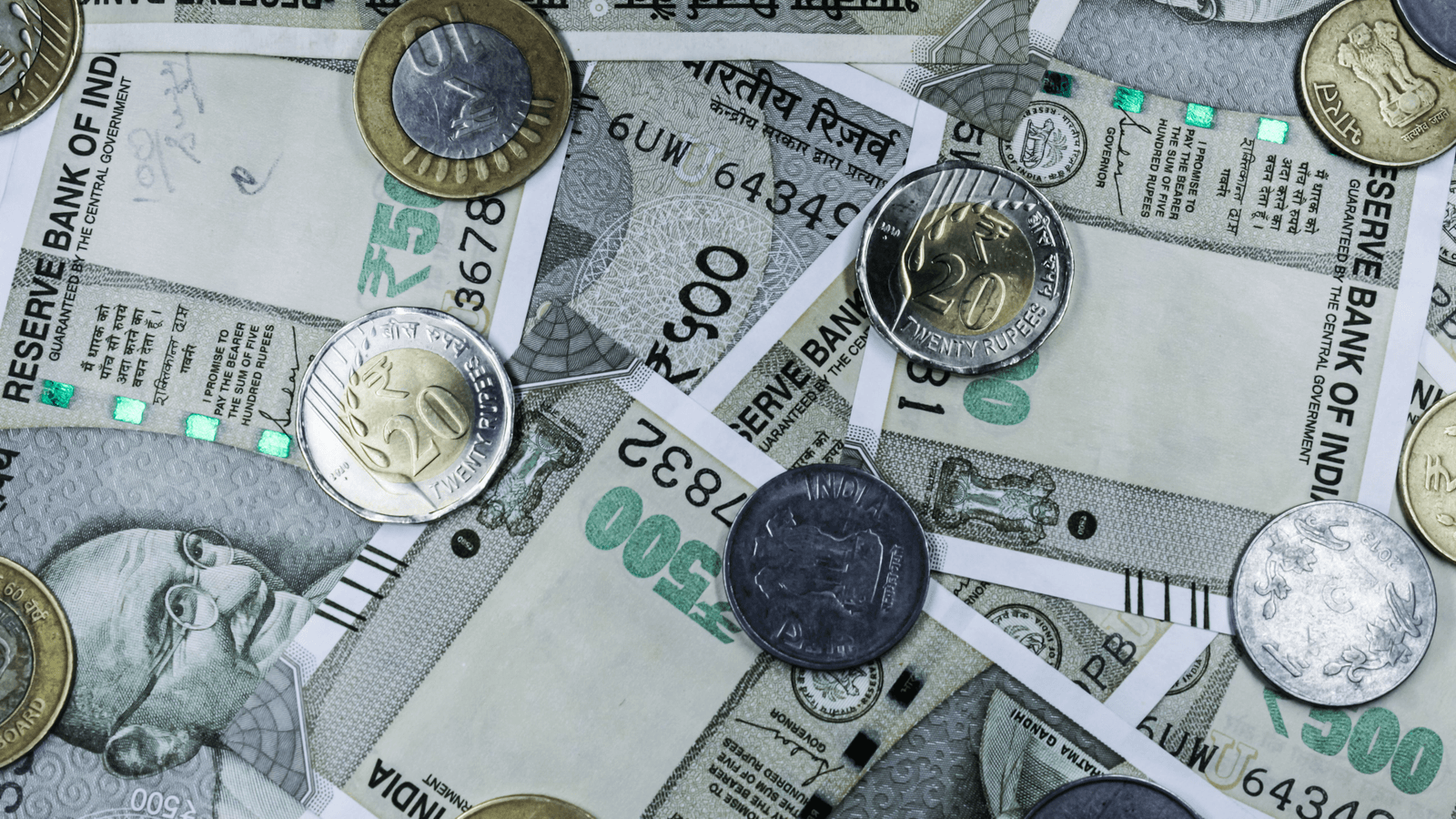
Best Savings Account Interest Rates 2026: Where to Park Your Emergency Fund
Rs 1 lakh in SBI savings account earns you Rs 2,700 per year. The same Rs 1 lakh in AU Small Finance Bank earns Rs 7,250. Same money, same safety, almost 3x the return. Here is a comprehensive comparison of savings account interest rates across 20+ Indian banks, tax implications, and how to structure your emergency fund for maximum returns.
How to Choose Health Insurance in India: The No-BS Guide for 2026
Health insurance in India demystified. Cashless vs reimbursement, room rent limits, co-payment, waiting periods, and how to compare plans without losing your mind.
Direct vs Regular Mutual Fund: The 1% That Costs You Lakhs
Two investors start a Rs 10,000 SIP in the same fund on the same day. After 20 years, one has Rs 15 lakh more. The only difference? Direct vs Regular plan. Here is the full math.
Credit Card Billing Cycle Explained: Due Dates, Interest, and the Minimum Payment Trap
Understand your credit card billing cycle in 5 minutes. Learn about the grace period, due date, interest calculation, and why paying minimum due costs you lakhs over time.
Term Insurance vs Endowment Plan: Which One Should You Actually Buy?
Term insurance costs ₹12,000/year for ₹1 crore cover. Endowment costs ₹5 lakh/year for the same. We break down the math with the BTID strategy so you can decide which one to actually buy.