An FD-backed credit card is the most under-marketed product in Indian retail banking. Eight major banks offer it; most never mention it on their websites or in branch materials. For homemakers, freelancers, retirees, students, and anyone without a salary slip, it's the cleanest path to a real credit card — same Visa/Mastercard logo, same reward program, same CIBIL boost as a regular card. Here's exactly how it works, with current 2026 terms from each Indian bank that offers it.
How an FD-backed credit card actually works
The mechanics are simple. You open a fixed deposit at the bank (₹15,000-1 lakh, depending on the bank's minimum). The bank marks the FD as lien — it's still your money, still earning your FD interest, but you can't break it until the credit card is closed. The bank then issues you a credit card with a limit equal to 80-90% of the FD value.
For example, at ICICI Bank against a ₹50,000 FD:
- Your ₹50,000 stays in the FD, earning ICICI's 1-year FD rate (currently 6.95%)
- The bank issues an ICICI Coral credit card with a ₹42,500 credit limit (85% of FD)
- You use the credit card like any other credit card — swipe at POS, online shopping, EMI conversion, rewards on spend
- You receive a monthly statement, pay before the due date, your credit utilization shows on your CIBIL report
- The FD interest accrues every quarter as it would for any normal FD
The bank's risk is essentially zero: if you stop paying, they break the FD, recover the dues, and close the account. This is why approval is near-guaranteed — there's no income verification, no salary slip needed, no CIBIL minimum threshold. KYC is just PAN + Aadhaar + the FD opening process.
All 8 FD-backed credit cards in India — full comparison (2026)
| Bank + Card | Min FD | Credit limit | Joining fee | Annual fee | Network | Best for |
|---|---|---|---|---|---|---|
| Kotak Aqua Gold | ₹15,000 | 90% of FD | ₹0 first year | ₹500 + GST | Visa / Mastercard | Highest utilization of FD value |
| SBI Card Advantage Plus | ₹15,000 | 85% of FD | ₹0 | ₹500 | Visa / Mastercard | PSU trust + zero joining fee |
| IDFC FIRST Bank Wow! | ₹10,000 | 100% of FD | ₹0 lifetime | ₹0 lifetime | Visa | Lowest FD requirement + zero fees ever |
| ICICI Coral (against FD) | ₹20,000 | 85% of FD | ₹500 + GST | ₹500 + GST | Visa | Easy upgrade to unsecured ICICI card |
| Axis Bank Insta Easy | ₹20,000 | 80% of FD | ₹0 | ₹500 | Visa | Instant approval, paperless |
| Federal Bank Imperio | ₹25,000 | 80% of FD | ₹0 | ₹999 | Visa | Better rewards (1.5% on online) |
| AU Bank Altura | ₹12,000 | 80% of FD | ₹199 | ₹199 | Visa / Rupay | Small-finance-bank alternative |
| HDFC Bank (discretionary) | Variable | Variable | Variable | Variable | Visa / Mastercard | If you already bank with HDFC |
The standout is IDFC FIRST Bank Wow! — it's the only FD-backed card in India where the credit limit equals the full FD value (100%) and both joining and annual fees are zero, forever. The catch is the rewards are relatively thin (1x reward points on most spends), but for CIBIL-building it's hard to beat.
Kotak Aqua Gold is the second-best for credit-limit-to-FD ratio (90% limit, vs 80-85% elsewhere). The ₹500 annual fee is waived for the first year and waived ongoing if you spend ₹50,000+ in any 12-month period.
Featured FD-backed cards (Cuelinks-routed)
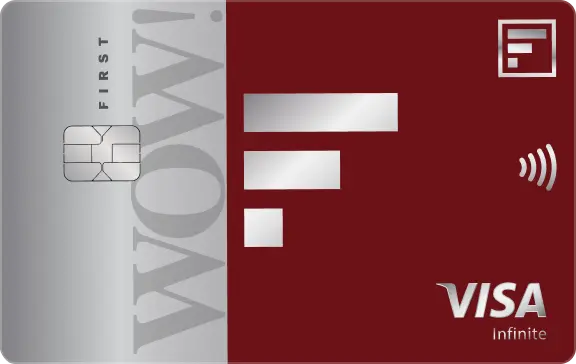
IDFC FIRST Wow Credit Card
annual fee
joining fee
reward rate
min income

Kotak 811 #DreamDifferent Credit Card
annual fee
joining fee
reward rate
min income
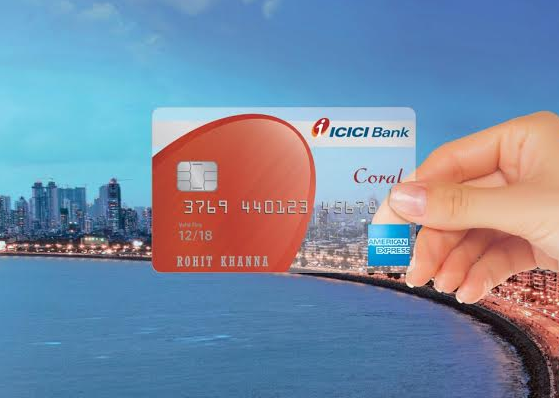
ICICI Coral Credit Card
annual fee
joining fee
reward rate
min income
Step-by-step: applying for an FD-backed credit card
The process is nearly identical across banks. Using IDFC FIRST Bank Wow! as the cleanest example:
- Open IDFC FIRST Bank savings account (if you don't have one). Done via mobile app in 10 minutes with Aadhaar + PAN OTP-based KYC.
- Open a fixed deposit from the IDFC FIRST app — minimum ₹10,000, choose any tenure from 7 days to 10 years (longer FD = slightly better interest rate; for the credit card, even a 7-day FD that auto-renews works).
- Apply for IDFC FIRST Wow! credit card from the same app — select "Against FD" option, choose the FD you just opened as collateral.
- Bank approves within 24-48 hours. The FD is automatically lien-marked. Virtual card is issued immediately, physical card mailed within 7-10 working days.
- Start using the card. Set up auto-pay for the monthly bill from your IDFC savings account.
For other banks, the process requires a branch visit in most cases (especially for the FD lien marking, which requires a signed lien form). Expect 5-10 working days for the card to arrive.
The economics: is the FD a "lost opportunity"?
The argument against FD-backed credit cards is "you're locking up money in a low-yield FD just to get a credit card". The math actually works out fine for most use cases. Compare:
| Scenario | Capital deployed | Annual return |
|---|---|---|
| ₹50,000 in IDFC FIRST FD (1-yr, 6.95%) | ₹50,000 | ₹3,475 |
| ₹50,000 in a debt mutual fund (post-tax for 30% bracket) | ₹50,000 | ~₹3,500-4,000 |
| ₹50,000 in liquid savings (3.5% sweep) | ₹50,000 | ₹1,750 |
The FD interest (₹3,475) is essentially the same as a debt mutual fund post-tax. Plus you get the credit card, which can earn you ₹2,000-5,000/year in rewards/cashback if used for routine spending (groceries, fuel, utilities). Net annual benefit: ₹5,000-8,500 vs ₹3,475-4,000 if the same ₹50,000 was just in a debt fund.
The opportunity cost only becomes real if you would otherwise have deployed the ₹50,000 in equity mutual funds (10-12% expected long-term return). For a homemaker or freelancer using this as a CIBIL-building tool for 1-2 years, the FD is the right call. After CIBIL crosses 750 and you transition to an unsecured card, you can break the FD and redeploy.
Who should NOT take an FD-backed credit card
- If you already have a CIBIL score of 750+ from existing loans or cards. You qualify for unsecured cards directly — skip the FD step.
- If the ₹15,000-50,000 you'd lock up is your emergency fund. Don't compromise emergency liquidity for a credit card. Build the emergency fund separately first.
- If you're planning to buy a home or take a personal loan in the next 6 months. The FD lien temporarily reduces your "available" net worth on loan applications. Wait until after the loan is approved, then take the FD-backed card.
- If you only need international payment access. Federal Scapia or Niyo Global prepaid cards solve this without any FD lock.
Closing the card later (and getting your FD back)
When you're ready to transition to an unsecured credit card (typically after 12-18 months of clean payments):
- Apply for the new unsecured card. Get approved.
- Activate the new card, transfer auto-pay setups.
- Pay the FD-backed card's full outstanding (don't carry a balance into the closure).
- Call customer care to formally surrender the card. They'll mark the account for closure.
- 30-45 days later, the account closes and the FD lien is released.
- You can now break the FD or let it mature normally.
The FD-backed card stays on your CIBIL report as a "closed credit card account in good standing" — which is positive for your credit history (credit history length and credit mix are both CIBIL factors).
Final take
For ~₹20,000-50,000 in capital you can deploy for 12-24 months, an FD-backed credit card is the most legitimate, cleanest, fastest path to building a CIBIL score in your own name. IDFC FIRST Bank Wow! and Kotak Aqua Gold are the two cleanest products in 2026 — Wow! for the zero-fee/100%-limit structure, Aqua Gold for the best Visa Gold network benefits. ICICI Coral is the right choice if you want a smooth upgrade path to a premium ICICI card later.
If you're not sure whether your current CIBIL score qualifies for an unsecured card, get a free CIBIL check at CIBIL's own site (cibil.com) or via the Paisabazaar / BankBazaar apps. A score below 700 makes the FD-backed route worth it; above 750 you can apply directly for a regular credit card.
Want to compare all credit cards available in India? See our full credit card comparison page, or explore no-annual-fee cards for cards that cost nothing to maintain after the FD-backed first card.
Sources: RBI Master Direction — Credit Card and Debit Card – Issuance and Conduct Directions 2022 (updated November 2024); IDFC FIRST Bank product disclosure for Wow! credit card; SBI Card website FAQ on Advantage Plus; ICICI Bank credit-card eligibility documentation; CIBIL Credit Information Bureau (TransUnion CIBIL) methodology document v3.2.
Frequently Asked Questions
What is a credit card against a fixed deposit?
It's a credit card where the bank holds a lien on a fixed deposit you've placed with them. The credit limit is typically 80-90% of the FD value. Your FD continues to earn interest at the normal FD rate (6.5-7.5% for most major banks in 2026). If you default on the card, the bank can break the FD to recover dues. If you pay on time every month, your FD is untouched.
Does an FD-backed credit card build CIBIL score?
Yes — fully and independently. CIBIL treats an FD-backed credit card identically to a regular credit card: it tracks credit limit, utilization, payment history, and account age on your CIBIL report. Six months of clean payments typically lifts your CIBIL from no-score to 700+, and 12 months gets you to 750+. This is the fastest legitimate path to building credit history without a salary.
What's the minimum FD amount to get a credit card in India?
₹15,000 at Kotak Mahindra Bank (Aqua Gold) and SBI (Advantage Plus). Most major banks require ₹20,000 minimum (ICICI Coral against FD, Axis Insta Easy). Some smaller banks like IDFC First and AU Small Finance Bank go down to ₹10,000-12,000. The credit limit is calculated as a percentage (80-90%) of your FD value.
Can I break the FD before the credit card account is closed?
No — the FD is marked as lien from the moment the credit card is issued. The bank's claim takes priority. To break the FD, you must first close the credit card account (clear all outstanding dues, then formally surrender the card). The FD lien is released within 7-10 working days after card surrender. If you try to break the FD early, the bank will refuse the request.
Which is the best FD-backed credit card in India 2026?
For lowest entry: Kotak Aqua Gold (₹15,000 FD, 90% credit limit). For best credit-limit utilization: Kotak Aqua Gold also (90% of FD vs 80-85% at other banks). For PSU bank trust: SBI Card Advantage Plus (₹15,000 FD, 85% limit, zero joining fee). For premium feel: HDFC Bank's discretionary FD-backed program (variable, branch-decided). For unsecured-card transition: ICICI Coral against FD — easiest to upgrade to a regular ICICI card after 12 months of clean payments.
Does the FD interest continue while it backs the credit card?
Yes — your FD continues to earn the standard FD interest rate (currently 6.5-7.5% at major Indian banks for 1-2 year tenures). The lien only restricts your ability to break or withdraw the FD; it doesn't change the interest accrual. At maturity, the FD auto-renews (or the bank moves it to a Linked Savings account if you don't specify), and the lien continues as long as the credit card is active.
EMI Calculator
Calculate your credit card EMI conversion
- Convert large purchases into easy EMIs
- Compare tenure options (3, 6, 9, 12 months)
- See total interest you'll pay upfront