Best Credit Cards for Salaried in India 2026
7 cards mapped to 7 income bands — from ₹25K (Amazon Pay ICICI, lifetime free) to ₹1.5L+ (HDFC Diners Black, unlimited lounges). The right card depends entirely on your income tier + spending pattern.
Salaried professionals account for ~70% of credit card applications in India per RBI data. Lenders strongly favour them in approval algorithms because of predictable monthly income, employer-verified employment, and lower default rates (typically 0.3-0.5% NPA vs 1-2% for self-employed).
The trade-off: most credit card products explicitly target the salaried segment, so the catalog is rich — but choosing badly leaves real money on the table. The right card flows from income tier first, spending pattern second, brand preference last.
For most salaried Indians at ₹50K-1L/month income, the optimal stack is two cards: one specialist matched to your top spending category (e.g. HDFC Swiggy for food delivery) + one general-purpose card (e.g. SBI Cashback for online flat). Total annual reward ₹15K-25K at zero net fee.
Top 7 cards by income band
One canonical pick per band. Each card's "Best For" label tells you the income range it fits.
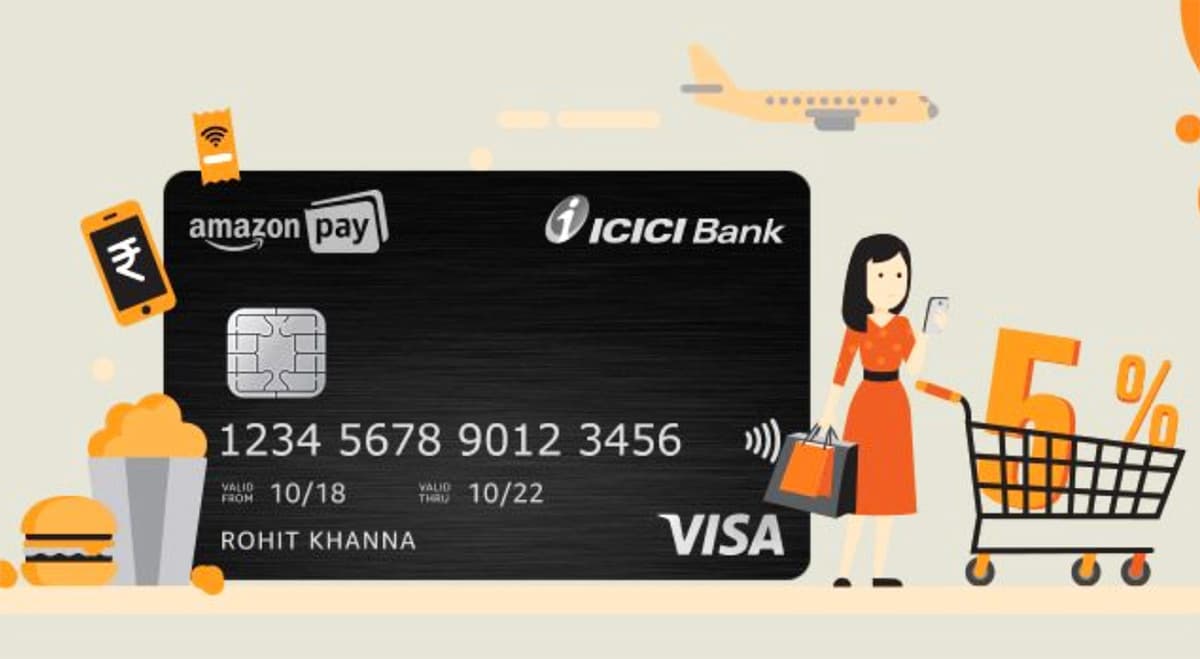
Amazon Pay ICICI Credit Card
₹0 fee forever, 5% on Amazon Prime + 2% on Bharat Bill Pay. The easiest first-card approval for ₹25K+ salaried. India's most-applied LTF credit card.
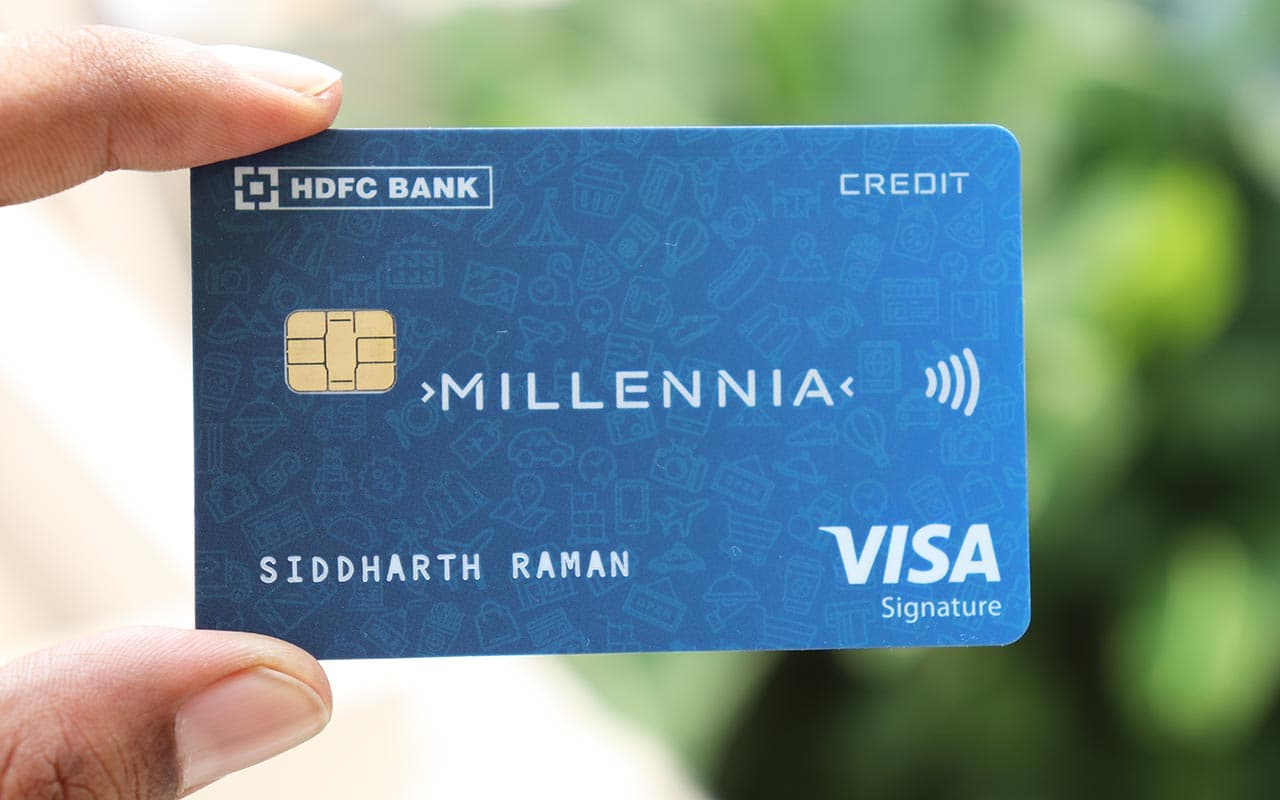
HDFC Millennia Credit Card
₹1,000 fee (waived at ₹1L spend), 5% cashback on 10 named online merchants. Highest-impact pick for the largest segment of Indian credit card applicants.
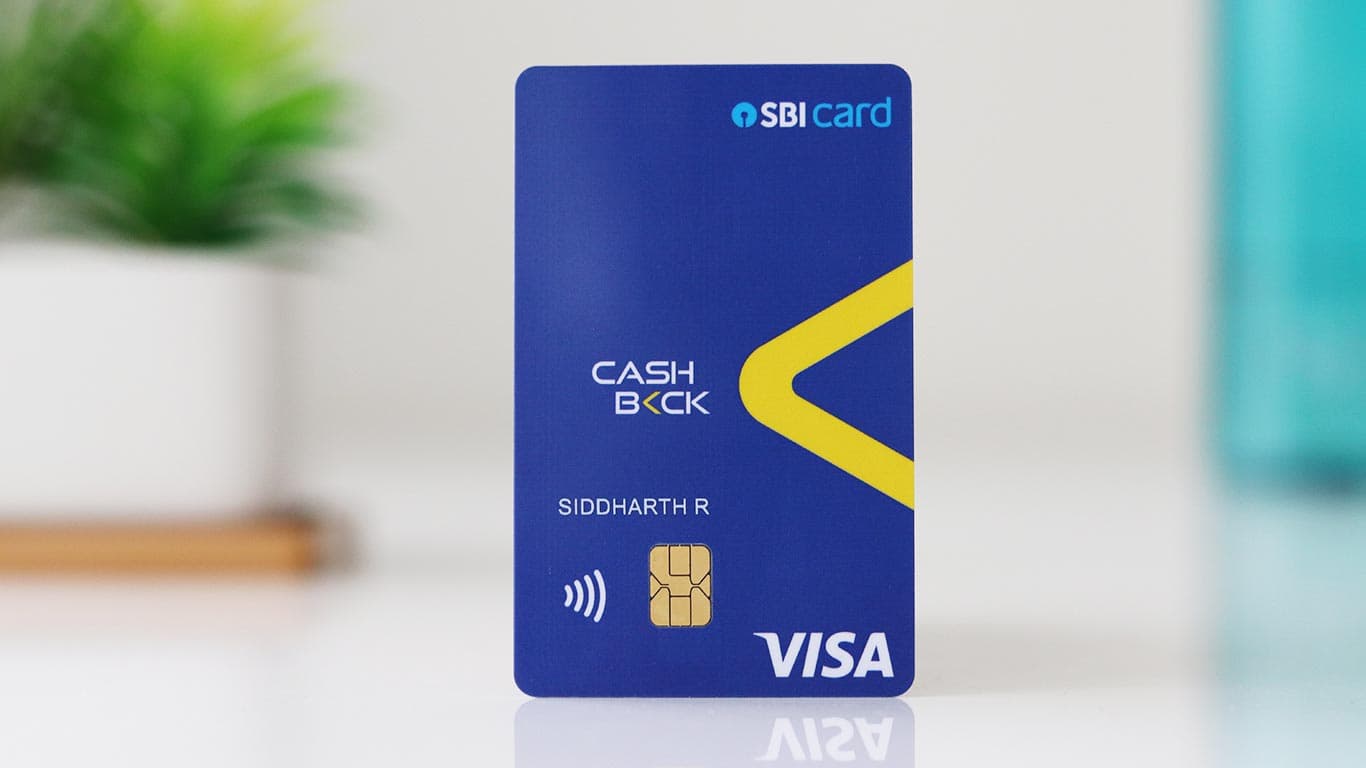
SBI Cashback Credit Card
₹999 fee (₹0 joining), 5% flat cashback on all online — no merchant whitelist. The cleanest no-restriction online cashback in India for mid-tier earners.
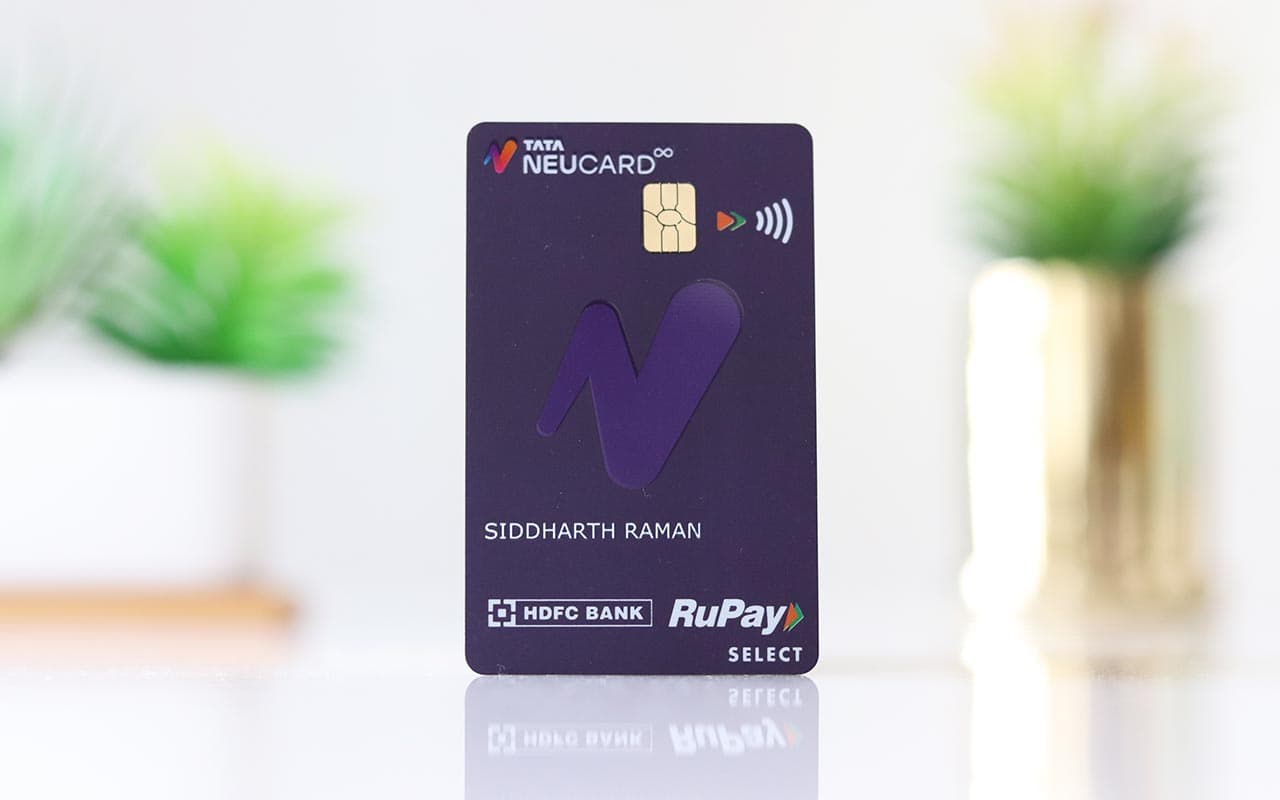
HDFC Tata Neu Infinity Credit Card
₹1,499 fee, 5% NeuCoins on Tata Neu app + 1.5% on direct Tata brand spend. For users with BigBasket / 1mg / Croma / Air India share of wallet.
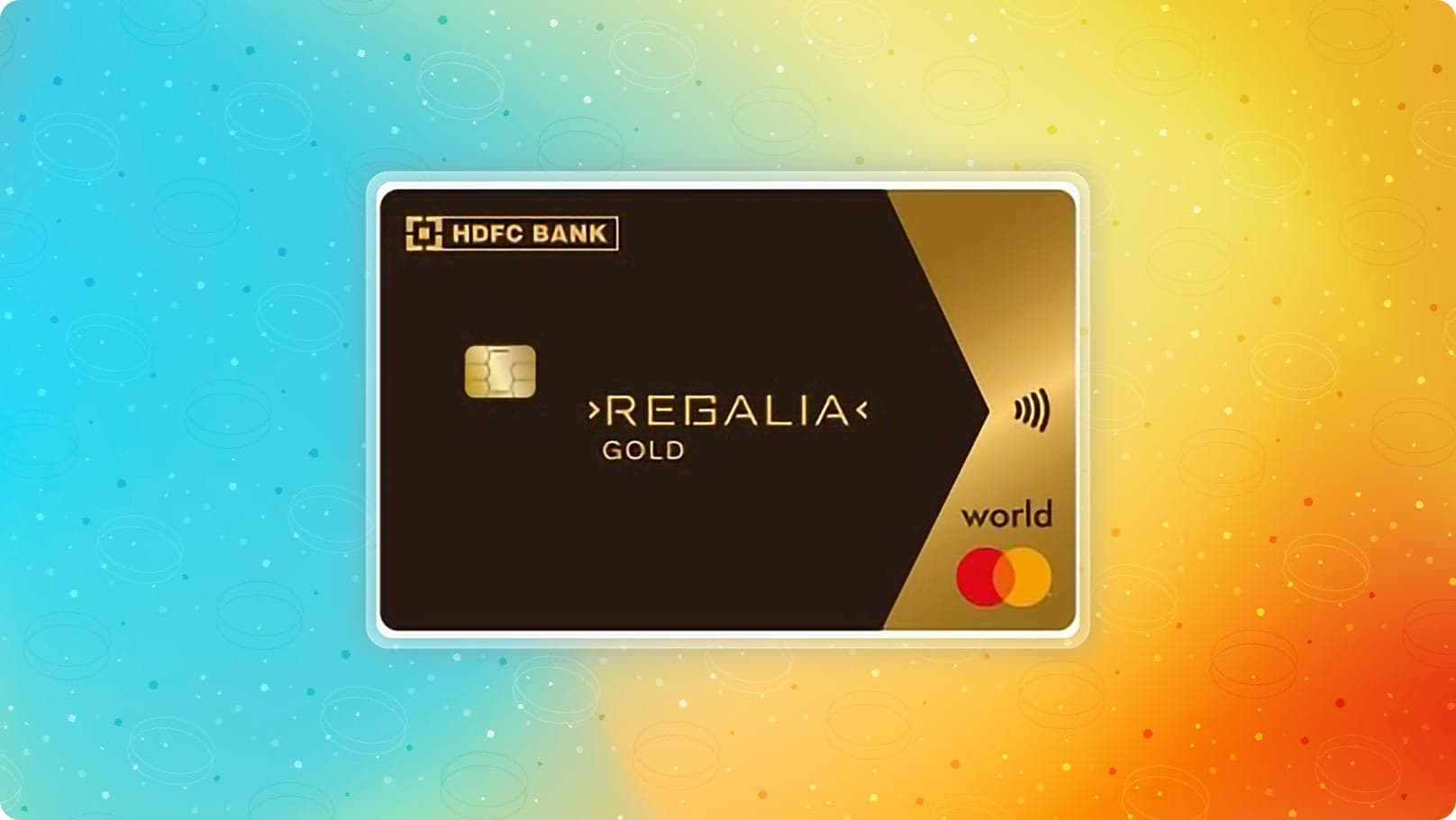
HDFC Regalia Gold Credit Card
₹2,500 fee, 4% base + 12 domestic + 6 international lounges per year. ₹2.5L spend waives next-year fee. The premium workhorse for ₹1L-1.5L salaried.
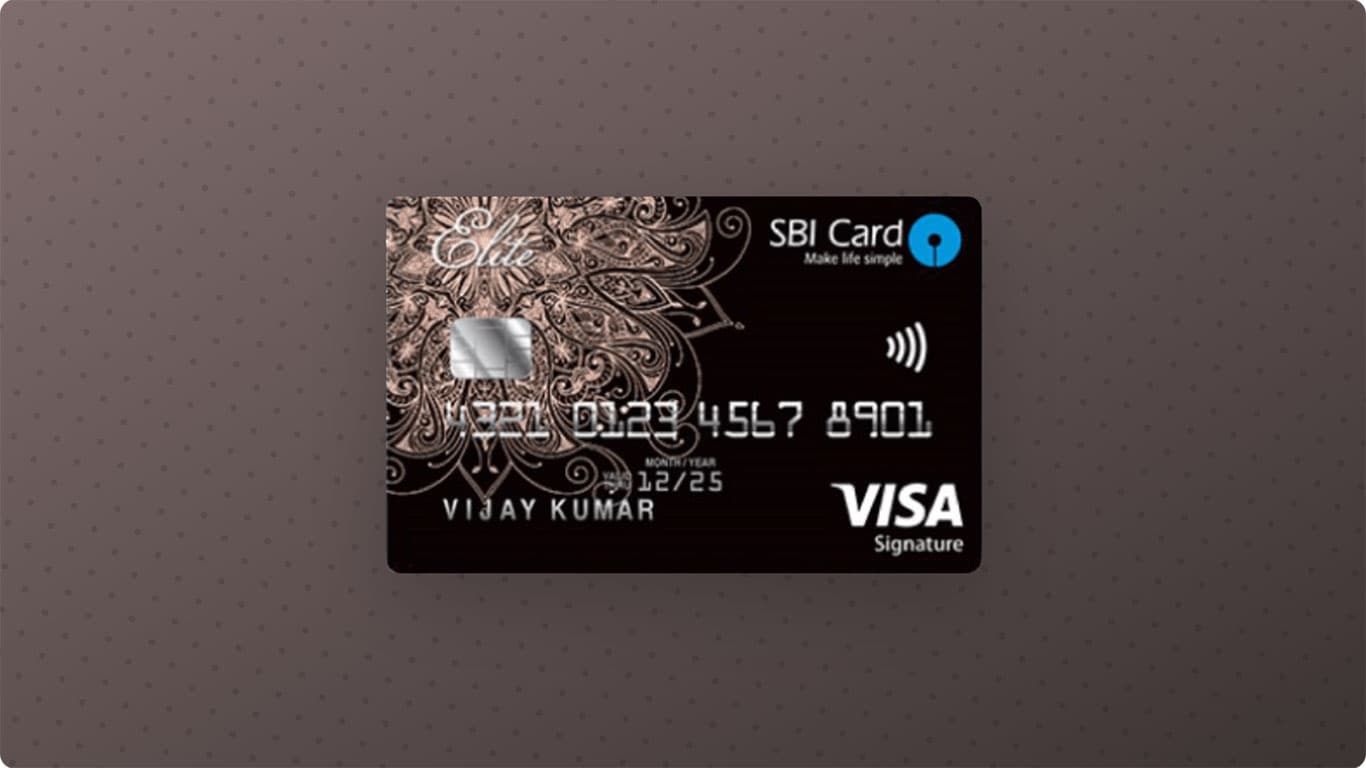
SBI Card ELITE
₹4,999 fee, 2% base + 5× dining + 10× grocery + 6+6 lounges. Includes Trident Privilege Red Tier and Club Vistara Silver. ₹5K e-voucher at ₹3L spend.
HDFC Diners Club Black Credit Card
₹10,000 fee, 5% base + 10× SmartBuy multiplier (effective ~16% on travel). Unlimited DragonPass worldwide lounge access. ₹1.5L+ income, not invite-only.
Match income to card tier
Applying for a "premium" card above your income tier almost always results in rejection + a CIBIL hit. Match income first, then layer spending-pattern optimization on top.
- ₹20-30K, building CIBIL → Amazon Pay ICICI (₹0 fee, 5% Amazon Prime) or SBI SimplyCLICK (₹499)
- ₹30-50K, mixed online spend → HDFC Millennia (₹1,000 fee, 5% on 10 partner brands)
- ₹50-75K, want flat-cashback simplicity → SBI Cashback Credit Card (₹999, 5% all online)
- ₹50-75K, want premium-tier benefits → SBI Card PRIME (₹2,999, 2% + 8+4 lounges)
- ₹75K-1L, Tata-heavy spend → HDFC Tata Neu Infinity (₹1,499, 5% NeuCoins)
- ₹1L-1.5L, full premium catch-all → SBI Card ELITE (₹4,999) or HDFC Regalia Gold (₹2,500)
- ₹1.5L+, international travel-heavy → HDFC Diners Club Black (₹10,000, unlimited DragonPass)
- ₹3L+, want top-of-stack → Wait for HDFC Infinia invite (open HDFC Imperia banking + maintain ₹2-5 Cr relationship value)
Frequently asked questions
Which is the best credit card for salaried employees in India 2026?
What is the minimum salary for a credit card in India?
Which credit cards approve fastest for salaried applicants?
How long should I wait before applying for a second credit card?
Can I get a credit card with ₹15,000 monthly salary?
Other ways to slice the deck
Regulated by Reserve Bank of India.
Credit cards in India are issued by banks and NBFCs licensed by the Reserve Bank of India. Card issuance, credit limit, interest rate (APR), fees, and reward structures are at the sole discretion of the issuer subject to KYC, credit profile, and internal policy. Rates and benefits shown on this page are issuer-published and may change without notice — verify on the issuer's official website before applying.
Risk note: Carrying revolving credit-card balances at typical APRs of 36–48% per annum is one of the most expensive forms of debt in India. Always pay the total amount due, not just the minimum.
InvestingPro is an independent comparison and education platform. We are NOT a SEBI-registered investment advisor, IRDAI-licensed insurance broker, or RBI-licensed lending intermediary. We may earn affiliate commission when you click through to a partner — see how we make money. For personalised advice consult a registered advisor.