Best Credit Cards for Students in India 2026
No income proof? ₹15K stipend? Just got your first job? Six cards cover every accessibility band — from FD-backed (₹0 income) to first-jobber unsecured (₹25K). Plus the CIBIL-from-zero strategy.
Your CIBIL score is built from history length × payment timeliness × utilization. The earlier you start, the higher your score by age 25-26 when you'll need it for premium cards, personal loans, and eventually a home loan. A 21-year-old with a 24-month clean history outranks a 30-year-old with a 12-month history at the same payment behavior.
For ₹0-income students, the Kotak 811 #DreamDifferent (FD-backed) is the cleanest entry. Pledge ₹15K as FD lien → get a credit card with ₹12-15K limit → use for ₹3K/month spend → pay full statement → 18 months later, CIBIL hits 750+ and you're eligible to upgrade to any mid-tier unsecured card.
The 18-month rule: don't apply for a second card until your first card has 18 months of clean payment history. Each application is a CIBIL hard inquiry that drops your score 20-50 points temporarily — premature applications stall your trajectory.
Top 6 cards by accessibility tier
Ordered from most-accessible (no income proof) to first-jobber entry (₹35K stretch). Pick the lowest tier you qualify for — build CIBIL there, then upgrade.

Kotak 811 #DreamDifferent Credit Card
₹0 fee, ₹0 income required. Pledge ₹15,000-25,000 as FD lien at Kotak Bank → get a credit card with limit equal to 80-100% of FD value. FD refundable on closure. The only mass-market path to credit for students.
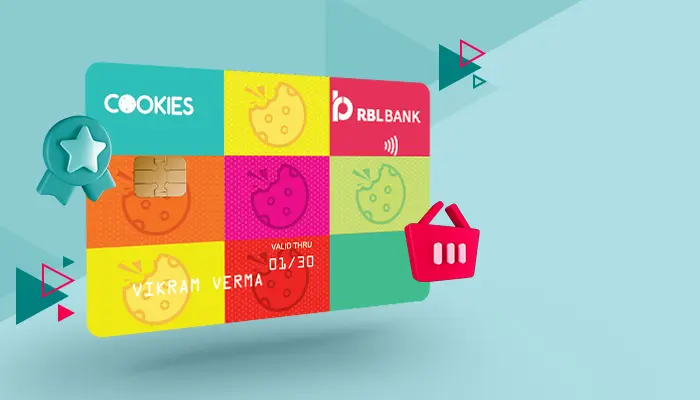
RBL Cookies Credit Card
₹0 fee, ₹15K minimum income. RBL's most accessible unsecured card. Lower reward rate but builds CIBIL history without FD requirement.
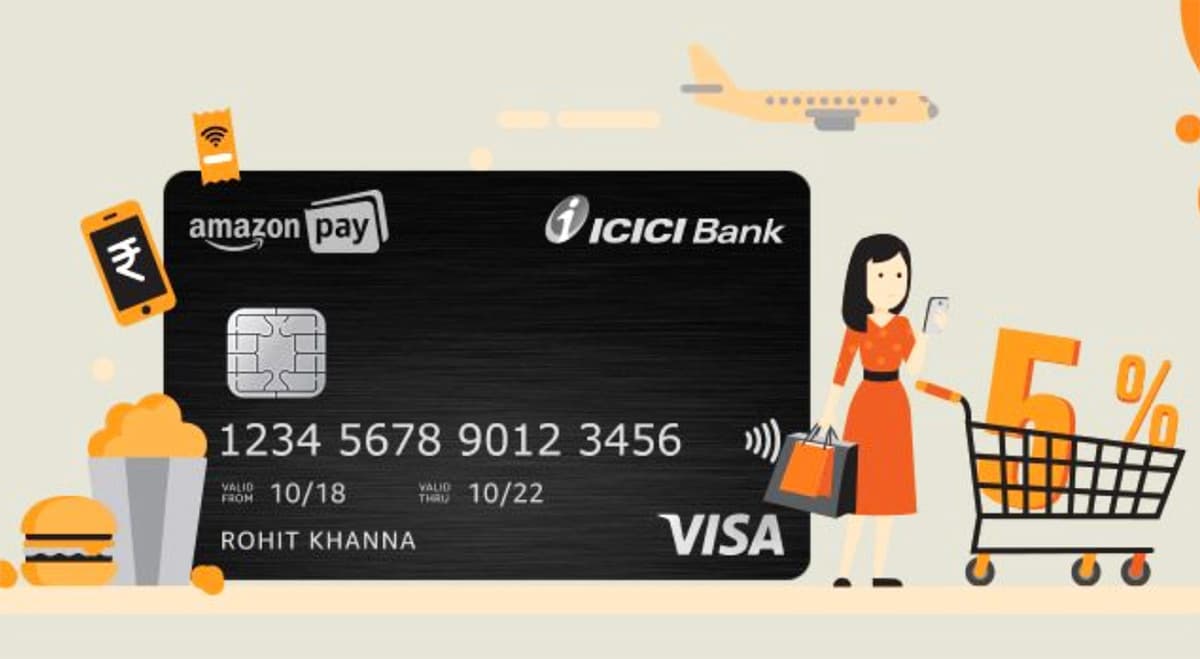
Amazon Pay ICICI Credit Card
₹0 fee, 5% Amazon Prime cashback, 1% baseline. India's most-approved LTF card for first-time applicants. ₹25K income — accessible to any first-job salary.
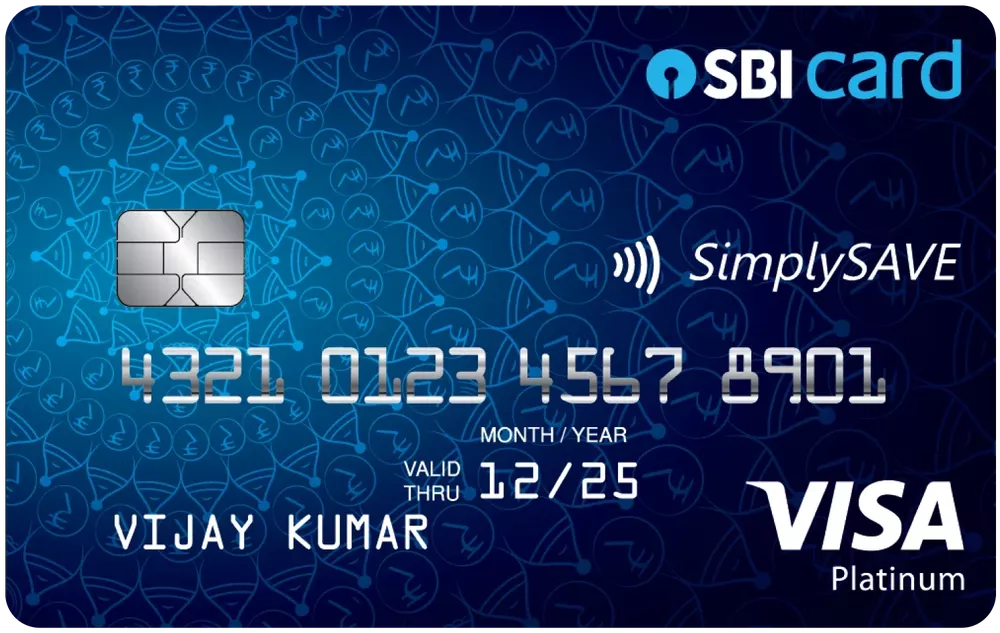
SBI SimplySAVE Credit Card
₹499 fee (waived at ₹1L spend), 5% on dining/groceries/movies, 1% baseline. Easiest SBI approval for first-jobbers; perfect entry to the SBI Card ecosystem.
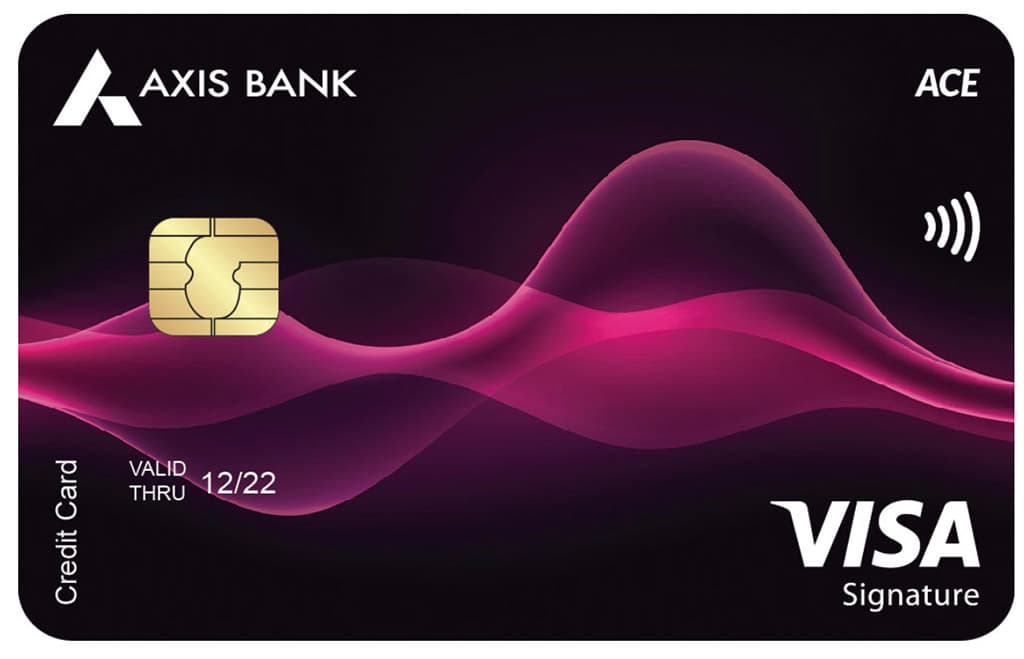
Axis Bank ACE Credit Card
₹0 fee from year 2 (₹10K spend in first 90 days), 5% on bill payments via Google Pay. Best LTF card for students paying their own phone/internet bills.
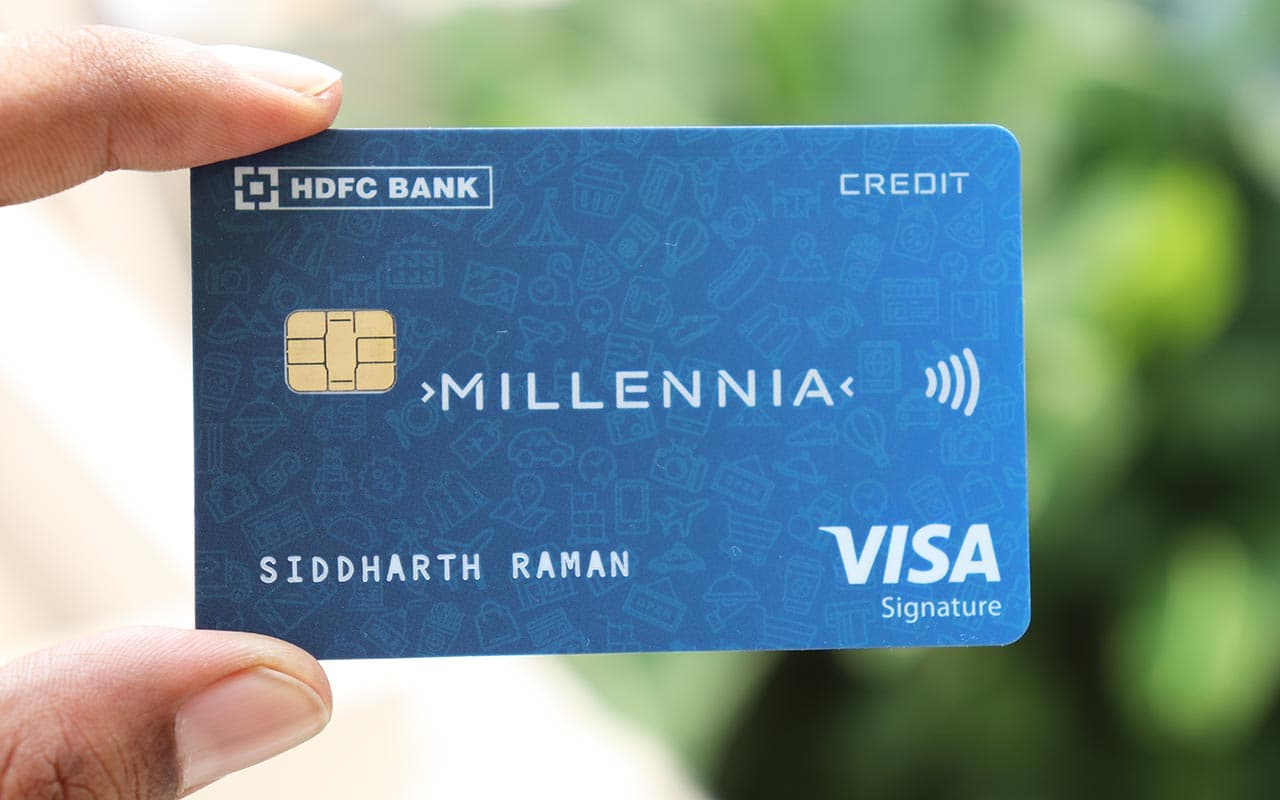
HDFC Millennia Credit Card
₹1,000 fee (waived at ₹1L spend), 5% cashback on Amazon/Flipkart/Swiggy/Zomato + 6 more partners. If your first salary clears ₹35K, this is the highest-impact card before going premium.
18 months to a real card
Skip the theory. Here's the literal sequence to go from 0 credit history → CIBIL 750+ in 18 months:
- Month 0: Open Kotak 811 savings account (free, online). Pledge ₹15K as FD lien.
- Month 1: Receive Kotak 811 #DreamDifferent credit card. Limit ~₹12-15K.
- Month 1-12: Use card for ₹3-4K/month spend (Netflix, phone bill, occasional grocery). Pay FULL statement every month before due date. Never carry a balance.
- Month 6: Check CIBIL via cibil.com (free annual). Expect ~700-720.
- Month 12: Check CIBIL again. Should be 730-750.
- Month 18: Apply for Amazon Pay ICICI or HDFC Millennia (depending on your salary). Use as primary card.
- Month 24: Close Kotak 811 if you want (FD refunded) OR keep it open (longer history = higher CIBIL).
Frequently asked questions
Can students get a credit card in India?
How do I build CIBIL score from zero?
Is Kotak 811 #DreamDifferent really lifetime-free?
Will my parent's CIBIL affect my card application?
Should I get an add-on card on my parent's primary instead?
Other ways to slice the deck
Regulated by Reserve Bank of India.
Credit cards in India are issued by banks and NBFCs licensed by the Reserve Bank of India. Card issuance, credit limit, interest rate (APR), fees, and reward structures are at the sole discretion of the issuer subject to KYC, credit profile, and internal policy. Rates and benefits shown on this page are issuer-published and may change without notice — verify on the issuer's official website before applying.
Risk note: Carrying revolving credit-card balances at typical APRs of 36–48% per annum is one of the most expensive forms of debt in India. Always pay the total amount due, not just the minimum.
InvestingPro is an independent comparison and education platform. We are NOT a SEBI-registered investment advisor, IRDAI-licensed insurance broker, or RBI-licensed lending intermediary. We may earn affiliate commission when you click through to a partner — see how we make money. For personalised advice consult a registered advisor.